
25 Strategies to Empower Employees to Deliver Exceptional Customer Experiences
Empowering employees to create outstanding customer experiences requires more than good intentions—it demands practical strategies backed by proven methods. This article presents 25 actionable approaches drawn from industry experts who have built teams that consistently exceed customer expectations. Each strategy offers concrete steps leaders can implement immediately to strengthen their organization's service culture and business results.
Set Crystal-Clear Role Standards
I empower employees to deliver exceptional customer experiences by setting clear role expectations from day one, so they know what great performance looks like in real, daily terms. When people understand the purpose of their work and the standards they are expected to meet, they can make confident decisions in front of a customer. In practice, that starts with being transparent about what the role will actually look like before someone joins the team. Clarity removes guesswork, reduces handoffs, and helps employees focus on solving the customer’s problem.

Align Teams Around One Journey
Empowering employees to deliver exceptional customer experiences is not just an internal priority; it is a strategy we actively bring to our clients. One of the most effective ways we do this is by helping organizations align their teams around a shared view of the customer journey, then equipping employees with the visibility, tools, and authority needed to act in real time.
In practice, we guide clients to move beyond siloed ownership of the customer experience and instead create a more unified, accountable approach. This typically includes:
Cross-functional alignment across marketing, sales, and service, so every team understands their role in the full customer journey
Clear processes and decision frameworks that empower employees to act without unnecessary escalation
Accessible, actionable data through CRM and marketing platforms, including engagement history, lead behavior, and account context
Defined guardrails that build confidence while maintaining consistency in how teams respond and engage
We also emphasize building a culture of ownership within client organizations. Through ongoing feedback loops and process refinement, teams are encouraged to proactively identify and address friction points, improving the experience over time.
One example comes from a B2B manufacturing client where delays in follow-up were impacting both customer satisfaction and conversion rates. We helped redesign their process by:
Implementing real-time alerts for high-intent inquiries
Establishing clear prioritization criteria for follow-up
Empowering their team to engage prospects immediately rather than waiting for centralized direction
The impact was measurable. Response times improved, internal alignment strengthened, and customers experienced a more seamless and personalized journey. Just as importantly, the client's team felt more confident and empowered in their roles, leading to more consistent, high-quality interactions. Exceptional customer experiences are built by empowered teams. By helping our clients put the right structure, data, and trust in place, we enable their employees to deliver meaningful value at every stage of the journey.

Authorize User-Led Improvements and Tests
One strategy that has worked well for us is giving employees clear ownership over customer-impacting improvements rather than limiting them to predefined roles.
At Eprezto, many of the best improvements to the customer experience have come from people who noticed friction in the process while working with users. Instead of requiring several layers of approval, we encourage team members to propose small experiments that could improve the experience. If the idea makes sense, that person owns the test from start to finish and presents the results to the team.
For example, a small UX improvement suggested by one of our engineers reduced drop-off at a key step in our purchase flow. It was not a large feature, but it had a measurable impact on conversions and made the experience smoother for customers.
The key lesson is that exceptional customer experiences rarely come from top-down instructions alone. They come from empowering the people closest to the problem to identify friction, test solutions quickly, and see the direct impact of their work on the customer journey.
Embed Service as Core Duty
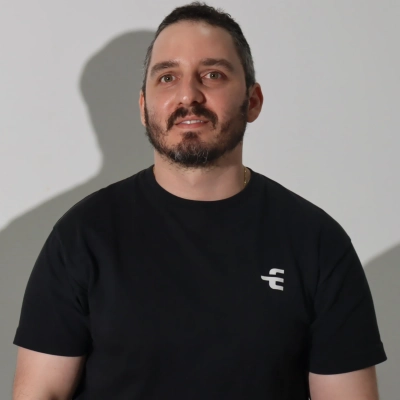
Empowering Employee Customer Service from Trade Show Service Company President
Exceptional customer service is the difference between companies that thrive and those who fail. At Cardinal Expo, we encourage our employees to offer the best possible customer service by making it a fundamental part of our offerings and their job descriptions. Customer service goes downhill when employees are in such a burnout-inducing environment that they simply don't have time to complete all their tasks with grace and patience; we make sure our employees see quality service as part of baseline expectations for them.
As a trade show services provider, our team has to be a consistent support system for our clients, from installation buildout behind the scenes to in-person show floor support. Trade shows are high-intensity, stressful environments (especially for exhibitors), and they need to know that their services provider will deliver clear and reliable support for their shows. When training our team, we prioritize practicing how to work with clients in stressful situations and maintain a baseline level of kind, patient professionalism at all times.
—Thomas Samuels, President of Cardinal Expo, a full-service trade show and exhibit services company originating in Chicago, headquartered in New Orleans, and with site supervisors in Baltimore/DC/East Coast and Las Vegas/West Coast.
Name: Thomas Samuels
Title: President
Company Name: Cardinal Expo
Company URL: https://cardinalexpo.com/
Headshot: https://bit.ly/3uZ4pt9

Lead with Direct Client Insight
For me, empowering employees to deliver exceptional customer experiences really starts with leading by example. If the leadership team treats customer experience as someone else's responsibility, the rest of the company will too. But when you personally stay close to the customer, it sets the tone for everyone.
One thing I've always tried to do at Carepatron is stay directly connected to user feedback. I still spend time reading support conversations, product feedback, and customer stories. When the team sees leadership actively listening to customers and responding with urgency, it reinforces that the customer experience isn't just a department. It is part of our culture.
One strategy that works really well is making customer insight visible across the whole company. Instead of keeping feedback inside support or success teams, we share real customer messages, wins, and even frustrations with everyone. Engineers, marketers, product managers and the wider team all see the real impact of what they are building.
When people understand the human side of the product, they naturally take more ownership of the experience. In my view, you do not empower great customer experience by writing a policy. You do it by modeling the behavior you want to see and making the customer impossible to ignore.

Anchor Efforts to Outcome Statements
We empower employees by anchoring every account to a clear and measurable definition of done that the client can easily recognize. At the start of a project, we ask clients to describe what success looks like in simple language without using industry terms. We then turn that input into a short outcome statement that the whole team can understand. This shared definition helps everyone stay focused on the same goal from the beginning.
Each week we review our work and compare it with the outcome statement before sending updates to the client. If something does not move the client closer to that result, we revise it or remove it. This simple check reduces busywork and keeps priorities clear for the team. Over time clients notice that every update moves in the same direction and the service feels consistent.

Run Monthly Trust-Focused Reviews
We run monthly customer story sprints where each team studies one real customer journey. We map the experience from the first touch to renewal and collect real quotes. We review support tickets and public reviews to see how customers describe the experience. Then we trace the internal handoffs that shaped the outcome for the customer.
We follow one rule and pause fixes until we agree where trust changed. A small cross functional group then ships one simple improvement within ten business days. It may be a clearer template, a better onboarding note, or easier internal routing. We close the loop by telling the customer what changed and why it matters.

Favor Results over Checklists
One of the most effective ways we empower employees to deliver exceptional client experiences is by giving them ownership over outcomes, not just tasks.
At Marquet Media, every team member understands how their work contributes to the bigger picture of a client's brand growth and visibility. We share campaign results transparently, celebrate wins together, and encourage proactive problem-solving rather than rigid checklist adherence.
One strategy that has worked particularly well is allowing team members to propose creative media angles or storytelling ideas during campaign planning. When people feel their insights matter, they become far more invested in the client's success.
The result is a team that approaches each project with a sense of accountability and creativity, which clients immediately notice in the level of care and strategic thinking we bring to their campaigns.

Give Reps Latitude to Make Things Right
Creating a company culture where everyone knows that we exist to create amazing products that people love and give them an incredible experience every time they shop with us is paramount. Giving customer support reps autonomy to always make things right and always act in their best interest while still giving them plenty of proper training guidelines and principles will allow a high touch level of customer service that never feels hindered on either side.

Build Skills with Continuous Real Practice
One effective strategy has been embedding continuous skill development into daily workflows, ensuring employees are equipped to respond with both competence and empathy in real-time customer interactions. Stronger outcomes emerged when training was not treated as a one-time event but as an ongoing capability, reinforced through microlearning and real scenario-based practice. This approach aligns with findings from PwC, which reports that 73% of consumers say customer experience is a key factor in purchasing decisions. The insight is clear, exceptional customer experiences are consistently delivered when employees are empowered with the right skills, context, and continuous learning support rather than static training interventions.

Integrate Data to Remove Friction
Empowering employees to deliver exceptional customer experiences starts with removing the barriers that slow them down. When teams spend time searching for information or updating multiple systems, it takes focus away from the customer.
We use data integration to ensure that customer data flows automatically across systems, so employees always have access to accurate, up-to-date information in one place. That eliminates the need for manual data entry and reduces errors.
With that clarity and time back, employees can focus on meaningful interactions, respond faster, and provide a more personalized experience. Removing the administrative friction makes it easier for teams to deliver the level of service customers expect.

Share Stories to Strengthen Pride
I allow my staff members the ability to create memorable customer experiences by using our Story Circle process. Each time an employee has completed a year with us, we close the office for 30 minutes on our patio, where we serve coffee and local pastries. We also ask that all employees tell unscripted (from memory) stories about how they have assisted either a guest or one of their colleagues. This makes the recognition more believable and gives the staff member a sense of being seen and appreciated, which leads to a feeling of belonging, which will encourage them to take better care of each of their guests.

Tie Development to Clear Career Paths
One effective strategy I use is giving every team member a clear, personalized development plan that ties their business objectives to their personal career goals and measurable performance expectations. I build those plans and conversations on the Six Pillars of Effective Leadership, which are integrity, empathy, compassion, focus, stability, and humor. This approach creates role clarity, regular recognition, and psychological safety so employees feel empowered to make customer-focused decisions. Over 25 years of mentoring and in my book, this method helped keep voluntary attrition on my teams in the low single digits while the organizations I worked for had overall attrition rates of 8 to 15 percent. When leaders put structure, trust, and career paths first, employees can concentrate on delivering exceptional customer experiences.

Create Peer Circles and Visible Advancement
We're still a small company and honestly that's our advantage when it comes to this. Every win is visible. Every mistake too :)))
There's nowhere to hide which sounds intense but it actually creates a culture where good work gets noticed immediately.
One strategy that works really well for us - we built what we call the "Performance Circle" for our executive assistants. Its basically a internal community where the team shares wins, case studies, good practices with each other. When one EA figures out a better way to manage a CEO's inbox or handles a tricky situation with a client, that becomes a learning moment for everyone. Not in a corporate training way, more like "coworkers" teaching coworkers what actually works in the field. And as I've said before - good work gets visible.
!!Most important part!! - What makes people go above and beyond though is that exceptional work leads somewhere concrete. Before any EA starts working with us, they sit down and markdown their career path for 1, 3 and 5 years. So from day one they know exactly where they can climb and what it takes to get there. Every EA is elegible for at least one bonus or position change within their first 18 months with us, whether thats financial or moving into a quality manager or account manager role.
People perform different when the path forward isn't some vague promise but something they literally mapped out themselves.
The part that surprised me is what happens on the client side. When our EAs deliver consistently great work, founders start treating them like part of their own team. We've had clients give our EAs christmas bonuses out of there own pocket. Just like that. Nobody asked them to do that. That kind of thing doesn't happen when someone is just checking boxes, it happens when they feel genuinely supported by the person working with them. And that recognition drives EAs.
You can't fake that with a training manual. You build it by making people feel like they matter and giving them room to grow. And for mistakes.
Filip Pesek, Founder & CEO, Donnapro.com

Pair New Hires with Mentors
At Home Care Providers, we nurture and support our team of employees through focus on both professional growth and emotional development. To achieve this goal, we have created a formal mentoring program where an experienced caregiver serves as a mentor for each newly-hired staff member. This process helps each new employee build their confidence as well as learn how to develop meaningful relationships with our clients.
When we emphasize the importance of empathy, communication and skill development, it prepares our caregivers with the tools necessary to provide excellent care. A focus on providing our caregivers with these tools establishes an atmosphere of trust and creates a feeling of being valued, both of which contribute to our caregivers' increased commitment to providing compassionate care and a personalized experience for each client. The result is increased client satisfaction and improved outcomes for both the clients and their families.

Equip Frontline with Discretionary Budgets
You can't train people into delivering exceptional customer experiences. You can only remove the barriers that prevent them from doing it naturally. Most employees already know what the right thing to do is when a customer has a problem. They just don't feel authorized to do it.
That's the real issue. Not skill. Permission.
The one strategy that transformed our customer experience was giving every frontline employee a discretionary budget they could spend on any customer interaction without asking a manager first. The amount wasn't large. Enough to cover a refund, a replacement, a small gift, or an upgraded service. The rule was simple: if you believe this will make things right for the customer, use it. No approval chain. No form to fill out. No justification required after the fact.
The shift was immediate. A support rep who previously would have said "let me escalate this to my manager" could now say "let me take care of this for you right now." That single change in language transformed the customer's experience from bureaucratic patience to instant resolution. And it transformed the employee's experience from powerless middleman to trusted problem solver.
What surprised me was how responsibly people used it. Before we launched this, the concern from leadership was predictable: people will abuse it, costs will spike, we'll lose control. None of that happened. Employees actually spent less per incident than managers had been approving through the old escalation process, because they were closer to the problem and could judge what was proportionate more accurately. The overhead of routing issues up and back down disappeared. Resolution times dropped. Customer satisfaction scores climbed.
But the biggest outcome wasn't in the metrics. It was in how the team carried themselves. When people feel trusted to make real decisions, they show up differently. They listen more carefully because the outcome is in their hands. They take pride in the resolution because it was their call. They stop thinking of customer problems as interruptions and start treating them as opportunities to demonstrate what they're capable of.
Empowerment is a structural decision. Give people real authority, set clear boundaries, and then get out of the way. The exceptional experiences follow because you've stopped being the bottleneck between your team's judgment and your customer's problem.

Automate Busywork to Free Talent
The most effective strategy we use at PupPilot is giving our team the tools and autonomy to focus on what actually matters, rather than drowning them in repetitive tasks.
We build AI that handles routine communication for veterinary clinics, and we apply the same philosophy internally. Our team members aren't bogged down with manual processes that a system can handle better. We automate the operational overhead so our people can spend their time on creative problem-solving, client relationships, and building a better product.
The specific strategy: we audit regularly for tasks that are consuming our team's time but not requiring their judgment or expertise, and we either automate or eliminate them. This frees people up to do the work they were actually hired for — and that's where exceptional customer experiences come from. When your team isn't mentally drained from busywork, they show up differently. They're more engaged in client calls, more thoughtful in product decisions, and more present when a customer needs something beyond the standard playbook.
The result is lower burnout, higher retention, and a team that genuinely enjoys their work — which our clients feel immediately.

Issue 90-Day Impact Accountability Plans
I empower employees by giving them a clear, tangible 90-day impact plan that ties their work directly to customer outcomes and grants meaningful ownership of a product or service area. People crave work where their contributions are visible and valuable, and that clarity drives focus on the guest experience. We pair that ownership with incentive structures such as options, equity, or profit-sharing and a fast track to leadership for those who deliver results. Aligning responsibility, reward, and decision authority accelerates improvements that customers notice.

Send Context-Rich Pre-Visit Briefs
One strategy I use to empower my team to deliver exceptional customer experiences is making sure they feel fully prepared before they arrive at a client's home.
Before every project, I send a short project brief that outlines the client's goals, the spaces we'll be working in, and anything important the client shared during our initial conversation. This gives my team helpful context to do a great job before they even walk through the client's door.
When my team clearly understands what our client wants to accomplish, they can communicate more clearly, make decisions throughout the session, and easily adjust if something isn't working. In a home organizing business, every client's home is different, and every client has their own preferences for how they want things set up. Taking the time to create that simple project brief ahead of time helps my team focus on the client and create a smoother, more personalized experience, which ultimately leads to happier clients and exceptional experiences.

Document Playbooks to Standardize Excellence
I empower employees by providing clear, documented processes that remove guesswork and make exceptional customer interactions repeatable. My software consulting background taught me to document everything and to capture why a solution works so teams can reliably reproduce it. At hennhouse I turn those lessons into playbooks and checklists that spell out customer touchpoints and the next best action. This makes training faster, reduces errors, and lets staff focus on serving clients with confidence.

See Through the Customer's Eyes
One thing I tell every person on my team: your salary is not paid by me or by the company. It is paid by the customer. Whether that customer decides to keep paying us depends entirely on the experience we deliver.
Beyond that, I always ask my team to put themselves in the customer's shoes. Think about your own worst experience as a customer. The time you waited 45 minutes for a response that answered nothing. The time someone clearly did not care. Now, think about the best experience you ever had. The one where someone actually listened and solved your problem. Which one does your current work look like?
That simple exercise does more than 90% customer service training manual.

Assign Team Heads Full Relationship Stewardship
The most effective thing I've done at Green Planet Cleaning Services is give my team leads ownership of the client relationship, not just the cleaning checklist. Early on, I made the mistake of being the only person clients could talk to. That doesn't scale, and it made my employees feel like they were just following orders.
Now, every team lead does the initial walkthrough with the homeowner. They learn the client's preferences firsthand -- which rooms matter most, whether they have pets, if they're sensitive to certain scents. That knowledge makes them feel invested, not interchangeable.
The one strategy that changed everything was implementing what we call "the callback." After every first clean with a new client, the team lead personally follows up the next day. Not me, not the office -- the person who was actually in the home. They ask if everything met expectations and if there's anything they'd adjust next time.
This does two things. First, it catches small issues before they become complaints. Second, it gives the employee direct positive feedback from the client, which is more motivating than anything I could say in a team meeting. When a homeowner tells your team lead "that was the best clean we've ever had," that person shows up differently to work the next day.
We've kept employee turnover well below industry average because people feel like professionals, not day laborers. We use W-2 employees, provide real training on our eco-friendly methods and HEPA equipment, and treat them like the skilled workers they are. That respect flows directly into how they treat clients.

Recruit for Character, Develop Capability
The most effective strategy we use is hiring for character before capability, and then building capability through genuine investment in training.
We did not go to the market looking for experienced guides. Most of our guides had never guided before we brought them in. What we looked for was something harder to teach: a deep love for Switzerland, a warmth with people, and the kind of storytelling instinct that makes a stranger feel like they are exploring with a friend rather than following a schedule. Those qualities cannot be trained into someone who does not already carry them. Everything else can be taught.
Once we found the right people, we built a guide education portal with training materials, operational documentation, and ongoing learning resources. We review guide performance regularly and introduced a bonus structure to recognize and incentivize quality. But the more important investment is cultural. Every guide understands that their job is not to deliver information. It is to create a moment that a client remembers for the rest of their life. That framing changes every decision a guide makes on the day.
The second piece is trust. We do not script our guides. We give them deep knowledge of the route, the client's preferences, and the experience goals, and then we trust them to read the room. A guided day that adapts in real time to how a family is feeling produces something fundamentally different from one that follows a fixed sequence regardless of the human beings in front of the guide.
The result is what you see in the reviews. Almost every client mentions someone from our team by name. That is not an accident. It is what happens when you empower people who genuinely care and then get out of their way.

Listen Deeply, Then Verify Clarity
As the owner of Behind The Scenes Productions, I've found that the "secret" to effective customer service is active listening. I encourage my team to "listen, listen more, and then verify."
In live event production, miscommunication is the enemy. I train my staff to pause and repeat a client's vision back to them before a project begins. This "trust but verify" approach does two things: it guarantees technical accuracy and makes our customer feel heard.

Coach Judgment and Enable Real Decisions
The most effective strategy we see consistently across high-performing organizations is investing in what we call "decision-level empowerment" — giving frontline employees not just the authority to solve customer problems, but the coaching and confidence to do it well.
Most companies say they empower their teams, but in practice, employees still escalate issues because they fear making the wrong call. The real bottleneck isn't policy — it's confidence. When employees don't trust their own judgment, they default to scripts, escalation chains, and rigid processes that frustrate customers.
The fix starts with leadership behavior, not training manuals. Managers need to actively coach their teams through real scenarios, debrief customer interactions without blame, and celebrate moments where someone made a judgment call — even if the outcome wasn't perfect. This creates psychological safety, which is the foundation of genuine empowerment. When people know they won't be punished for using their best judgment, they stop hiding behind "let me check with my manager" and start actually solving problems in the moment.
One practical approach: implement weekly 15-minute "decision debriefs" where teams review real customer interactions and discuss what worked, what could improve, and what the thinking was behind each decision. This builds collective judgment over time and normalizes the idea that customer experience is a leadership skill, not just a service function.
At Stratos Coaching (https://stratoscoaching.com), we work with leaders at every level to build this kind of coaching culture — where empowerment isn't a buzzword on a poster, but a daily practice embedded in how managers develop their people. The organizations that deliver the best customer experiences are invariably the ones where leaders invest in growing their people's confidence and judgment, not just their product knowledge.