
How Technology Drives Personalization for a Seamless Online Experience
Today's online experiences succeed when they adapt to individual preferences and behaviors in real time. This article explores 25 practical strategies that businesses use to create seamless, personalized interactions across every customer touchpoint. Industry experts share proven techniques for leveraging technology to anticipate needs, streamline processes, and build meaningful connections with users.
Guide Choices with Focused Options
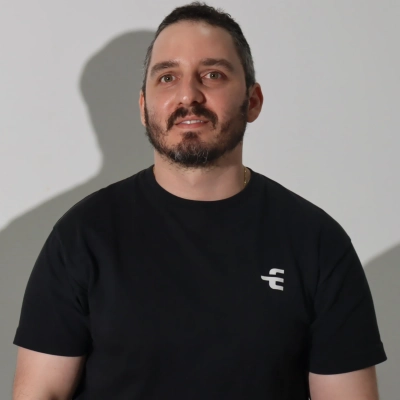
At Eprezto, we use technology to make the online experience feel almost like someone is guiding you in real time, but without adding any friction. The goal is simple, show people exactly what they need, when they need it, and remove everything that makes the process confusing.
One example is how we personalize the insurance quote results. Technically, we could show 30-40 policies, but that overwhelms people. So we built an algorithm that analyzes the customer's car, their needs, and the patterns we see in our data, and then narrows everything down to five clear options: best value, best price, best coverage, and two close alternatives.
It's a small change, but it completely transforms the experience. Instead of scrolling through endless choices, customers instantly understand the differences and feel confident making a decision. That one bit of personalization has significantly improved conversions because people feel guided, not lost.
Provide Fast Help with Smart Systems
We use technology to create a more personalized and seamless online customer experience by integrating tools that tailor interactions based on each customer's noted preferences and behavior. We continually work on the precision of our helpful follow-up messages, striving to provide the requested assistance without an unwanted or unneeded collection of standardized responses. For example, we use automated messaging and customer-tracking tools that remember past inquiries and merge such actions for our Customer Support teams' reference. This process has substantially improved our provision of quicker, more relevant responses and the recommendation of the exact products or services a customer is most likely to need.
You can deliver your customers fast, personal support at a low cost by combining self-serve tools with lightweight automation that still feels human. One of our most effective approaches has been the building and nearly constant updating, of a searchable help center or FAQ tool for our website visitors. We have paired this information presentation with an extensive library blog articles that further demonstrates our product's vitality and offers useful suggestions. Our Customer Service team members' access "saved replies", tested simple, pre-written responses to common questions. This pairing allows for our real person team to step in when needed. The customer receives quick and accurate answers anytime without waiting, and our team handles the more complex issues. We also personalize the experience by having the system present past interactions or tailor suggestions based on what the customer is trying to do. This approach keeps support friendly and efficient while saving time and resources for our small business.

Route Visitors via Live Chat
Personalisation is built into the online experience by making information easier to access and more relevant. One example is using live chat tools that guide visitors to the right product or support based on their questions. This reduces friction, shortens the decision process, and creates a more seamless experience from first visit to enquiry.

Enable Borderless Care with Local Context
To create a more personalized and seamless online customer experience, I focus on using technology to remove friction and make every interaction feel intuitive and human. It is about designing an experience that feels borderless, where location, time zone, or language does not get in the way of someone getting the support or value they need.
One of the ways we do this is by enabling a truly global customer experience team. We use technology to stay connected across regions so that no matter where a customer is, they can reach someone who understands their context and can offer real support. Whether that means local language preferences, time zone coverage, or platform consistency, the experience feels smooth and familiar across the board.
Having a hands-on global team, supported by the right tech infrastructure, means we are not limited by geography. We can respond quickly, personalize communication, and make people feel seen even if we are halfway across the world. That kind of borderless experience builds trust and gives customers the confidence that someone is always there when it matters.
It is not about overwhelming people with tools. It is about using technology to create consistency and care at scale without losing the personal touch.

Automate Pain Points, Preserve Human Moments
We use technology intentionally to remove friction from the customer journey while preserving the human moments that build trust. Starting small with a few automation is my advice. Be strategic about it. Pick one internal process that's eating up your team's time and turn it into a digital workflow. It could be something as simple as automating your meeting scheduling or customer onboarding.
One example: we built an automated system that tracks and notifies us when episodes featuring our clients are released. This removes the need for our team to constantly check in with hosts and follow up on release dates, while ensuring clients receive real-time updates and ready-to-use content without delays or unnecessary back-and-forth.
With that process handled by technology, we can focus more on personalized strategy conversations and relationship-building, creating a smoother and more tailored experience for each client. The key is maintaining the right balance between automation and the human touch—by mapping out the customer journey and deciding what can be automated for efficiency and what should remain hands-on by your team.

Drive Clarity with Interactive Assessments
We personalize onboarding through interactive assessment tools. Customers answer guided questions shaping customized recommendations. This transforms complex selections into clear decisions instantly. Personalization improves confidence throughout the process.
For example, we built an SEO needs quiz guiding new clients. Their results shaped a curated list of suitable services. This reduced uncertainty and improved alignment dramatically. Customers felt understood from the beginning.

Surface Contextual Examples from Real‑Time Intent
The goal of DeepAI is to enhance a user's online experience by enabling them to navigate seamlessly through the site using their unique intent to deliver a more tailored experience. The tools developed by DeepAI allow this to happen dynamically via the use of AI-based content generation from current visitor actions. For example, when someone is viewing the documentation for our image generation API, our platform will use real-time data about what people with similar developer behaviour have searched for in the past to provide them with suggested model examples, code snippets, and even suggested use cases based on those searches.
This one small element of personalisation helps create an environment that feels less like an archive of information or reference materials and is much more of a reference guide. As a result, it is easier for new users to find what they need quickly; also, it reduces the time it takes to integrate with our APIs and, most importantly, increases the number of users who convert to becoming paying customers via API use after finding the information they require immediately.

Lay Out a Clear Progress Path
I lean on tech to reduce friction and help each person feel understood from the moment they land on the site. Analytics highlight what draws attention, where hesitation appears, and which steps lead to action. This makes it easier to adjust the flow so it feels natural and welcoming.
A feature that stands out is a personalized progress guide for new users. It highlights completed steps, suggests the next move, and offers quick links tailored to their interests. People appreciate having a clear path laid out in front of them without pressure.
Through this approach, I noticed that personalization works best when it feels gentle rather than flashy. Customers want support, not noise. Keeping the experience warm, consistent, and easy to navigate encourages stronger long-term relationships.

Sync Channels to Maintain Coherence
Personalization gets off the ground by trying to get inside the customer's head - and that means really understanding what makes them tick, as well as their individual journey and preferences. Now, you can use all sorts of fancy AI tools to track how users behave on your website or app and identify any patterns, & this helps you serve up products, content or services that are actually relevant to each person rather than just a generic guess.
Creating an experience that feels smooth & seamless is all about making sure all the different parts of your business are working together. A simple example of this in action is making sure your website & mobile app are in sync, so when you give a customer a product recommendation on one, it shows up on the other too.
To make this work in your own business, the key is to get your hands on real-time data, make sense of it to figure out what your customers are really looking for, and then hook all those different systems up in a way that gives you a consistent & tailored experience every time. When done right, that builds trust & gets those customers coming back for more.

Show Honest Delivery Dates at Checkout
The most impactful way we use technology to personalize the customer experience is through real-time inventory visibility and intelligent order routing. At Fulfill.com, we've built systems that connect directly to our network of 3PL warehouses, allowing brands to display accurate, location-specific delivery dates at checkout. This seemingly simple feature transforms the customer experience because it sets honest expectations and lets shoppers make informed decisions.
Here's a concrete example of how this works: When a customer in Miami shops on a brand's website, our technology instantly checks inventory across all connected fulfillment centers, calculates shipping times from each location, and displays the exact delivery date before they complete their purchase. If we have inventory in Atlanta, they see "Arrives Tuesday." If the nearest inventory is in California, they see "Arrives Friday." The customer can then decide if they want to pay for faster shipping or if the standard timeline works for them.
What makes this powerful is that we're not just improving the post-purchase experience, we're reducing cart abandonment. Through working with hundreds of brands on our platform, I've seen that uncertainty about delivery kills conversions. When customers don't know when something will arrive, many simply don't buy. By providing that clarity upfront, we've helped brands increase conversion rates by 15 to 20 percent.
The technology behind this connects our order management system with warehouse management systems across our network, pulling real-time inventory data and combining it with carrier APIs to calculate accurate delivery windows. But the real innovation isn't just the technical integration, it's using that data to create transparency at the moment it matters most.
We also use this same technology to enable split shipments intelligently. If a customer orders three items and two are in a nearby warehouse while one is across the country, our system can automatically route the order to minimize total delivery time or cost, depending on the brand's priorities. The customer gets a personalized experience without even realizing the complexity happening behind the scenes.
The broader lesson I've learned is that personalization in logistics isn't about gimmicks. It's about using technology to give customers control and visibility.

Track Clients and Personalize Every Touchpoint
Working in a med spa, one thing I've learned is that the client experience starts well before a client walks in the door! It starts the moment they find us online. As humans, we often want the best of the best, especially when it comes to aesthetics! We read reviews, check out their Instagram and website, shop around for prices, and evaluate the business' success as a whole. Clients are more inclined to book with a business that has credibility and good references through their reviews and photos. First impressions truly matter when it comes to booking a new client. Because of that, technology has become one of the most important tools we use in every step at skinBe.
Clients are busy with their personal lives, and because of that they expect efficient and effective treatments. Our clients expect a luxurious, upscale experience here at skinBe, and those systems have been incorporated into everything we do.
Technology is the perfect to connect to clients through personalization. Here at skinBe we track our client's skin and wellness goals, their treatment plan, notes and photos of their starting point, and even just little details they tell us about themselves. By keeping track of each step of their experience at skinBe, we can expedite their waiting time by always being prepared for the next step.
My favorite aspect of technology is the door it opens for communication! It allows us to have instant and effective conversations with our clients about their appointments, any questions they have, or even to just say "thanks for coming in!". Technology is key in sending our clients reminders about their appointments, but also for us to efficiently book out our day. From appointment reminders, to digital consent forms, to follow-up texts, we utiizlie it in some way. The best part? Every step is customized for them!
In my role, I utilize technology for every point of contact, and I truly appreciate how efficient it keeps things for both myself, and our clients. Technology helps me to keep detailed notes about our clients interests, best times to communicate, and when they would like to come in for their complementary assessment. Furthermore, these notes from our first few conversations allow me to get a jump start on their goals as a client at skinBe. When clients walk through the door I already feel like I know a bit about them, and they have already started to build a personal relationship with me.
Laney Renth, Client Experience Concierge

Map Behavior to Streamline Flow
We use heatmaps to understand how customers navigate our website. The insights reveal frustration points and engagement zones clearly. This guides iterative improvements across our design. Personalization grows stronger as barriers disappear.
One example includes redesigning layouts based on aggregated behavior data. Users found desired content with fewer steps afterward. This decreased dropoffs and improved final conversions. The experience became noticeably smoother.

Segment by Medium Habit for Relevance
Technology lets me build personal experiences, even with large audiences. I use smart segmentation and messaging based on how people respond.
For instance, if someone opens texts faster than emails, they go into a text-first group. They get important updates via SMS and other info by email. This can double or triple engagement because people get messages how and when they want them.
I also watch which messages do best and tweak things going forward. The aim is to make every chat feel useful and considerate, not generic or too much. When customers feel understood, they stick around and trust you more.

Adapt Course Tracks to Each Learner
At Invensis Learning, technology plays a pivotal role in designing learning journeys that feel tailored to each learner's unique background and goals. For example:
When a learner signs up for a course, data about prior education, job role, and learning preferences is captured. Then, through an adaptive-learning platform, course modules are dynamically assigned — lessons recommended based on what fits best for that learner's pace, prior knowledge, and skill gaps. As progress gets tracked, the system refines recommendations: skipping familiar topics, surfacing relevant resources, offering just-in-time quizzes or supplementary reading.
This creates a seamless, learner-centric experience: less wasted time, more relevant content, and a sense of being guided rather than processed. The result: higher engagement, better outcomes, and a personalized journey for each individual.

Reveal Simple Tools When Needed
The key to a great online customer experience is making the product feel easy to use, like it already knows what your customers need. No extra steps, no confusion.
At Bryt, we focus on this by keeping the interface simple. Clients see only the tools they need, and they can set up most of the system without developer support. For example, when customers were struggling with investor reporting, we created a simple guided wizard that appeared only when needed, helping them complete the setup without hassle.
If there's one thing I've learned, it's that technology should feel advanced on the inside and effortless on the outside. No one wants to fight with a product to get their work done. The easier you make the experience, the more personal it feels, no matter what industry you're in.

Give Instant, Site‑Specific Property Insights
We use technology to convert a client's abstract home address into an immediate, verifiable structural reality. The conflict is the trade-off: traditional online interactions are generalized, which creates a massive structural failure in early engagement; we need immediate, hands-on relevance to secure the client's trust.
The one example is the Hands-on "Digital Property Audit" using geospatial integration. The moment a potential client submits their address online, our system automatically pulls high-resolution aerial imagery and structural data (square footage, pitch, drainage layout). This allows our sales team to pivot immediately from a generic pitch to a personalized conversation about the specific structural details of their roof—including any visible heavy duty material issues. This eliminates friction by answering the core structural question before the client even asks it.
This creates a seamless, personalized experience because the client feels immediately understood and valued. We trade the generalized marketing abstract for verifiable, site-specific competence. The best way to use technology for a personalized experience is to be a person who is committed to a simple, hands-on solution that prioritizes verifiable structural certainty and immediate relevance at the first point of contact.

Steer Selections with Taste‑Based Cues
Equipoise Coffee leans on technology in a way that keeps the experience feeling human rather than automated, and that balance shapes how customers move through our online space. We use small behavioral cues on the site to guide someone toward what they actually enjoy instead of flooding them with choices. When a guest lingers on a single origin page, the platform quietly surfaces brew guides and flavor notes that match that region so the path feels natural rather than forced. Our subscription flow uses a short taste quiz that trims noise and funnels people toward a roast profile that mirrors how they drink coffee at home. The system updates as their habits shift, which keeps the experience steady without feeling mechanical. Order tracking stays inside the same portal so the journey from curiosity to cup feels uninterrupted. This has helped create a quieter, more predictable rhythm for customers who return because the site feels like an extension of our cafe. Technology becomes the scaffolding that lets them focus on flavor and routine while we handle the friction behind the scenes.

Match Fit with Visual Reference Uploads
We use technology to create a personalized and seamless online experience by shifting the focus from generic recommendations to eliminating the friction of purchasing the wrong product. Personalization isn't about knowing their name; it's about predicting and solving their operational anxiety.
One key example is our "Visual Fit Assurance" tool for apparel. Traditional sizing guides are just numbers. We use visual search technology to allow the customer to upload a photo of a piece of clothing they already own and love the fit of. The AI then analyzes the visual data—the way the fabric drapes, the sleeve length, the shoulder cut—and gives a precise, high-confidence size recommendation for the specific Co-Wear item they are viewing.
This makes the experience seamless because it drastically reduces the anxiety of returns. It proves that we are using high-end technology to build customer confidence and competence, not just to track their browsing habits. That verifiable, objective confidence in the purchase is the highest form of personalization in e-commerce.
Recommend Branded Picks with Easy Terms
Our e-commerce platform uses smart personalization tools to analyze browsing history, purchase patterns, and preferences, recommending custom apparel or NET 30 office supplies tailored to business needs.
For example, when a client views drinkware, the system suggests logo-customized options with previews and one-click NET 30 checkout. This reduced cart abandonment significantly, as clients felt understood.
From experience, this builds loyalty as startups reorder effortlessly. Try integrated CRM tools to turn shopping into partnerships.

Tailor Journeys from Actual Buyer Signals
At Santa Cruz Properties technology helps us make the online experience feel as personal as the conversations that happen when a family walks into our office. We pay close attention to the questions people ask on our site and shape the journey around those signals. When someone spends time reading about down payments or owner financing, the site guides them toward clear examples and simple explanations instead of sending them through long menus. It feels similar to watching a family pause at a certain corner of a tract and realizing that is where the real conversation begins. We also use quick response tools so buyers get answers within minutes rather than waiting for a call back, which eases the stress that often comes with big decisions. Interactive maps have been especially helpful because they let people explore a property the way they would if they were standing on the soil. These small touches build trust. They make the online process feel less like a transaction and more like a guided path toward land that fits their life.

Honor Actions, Sustain Quiet Continuity
The focus is reducing friction. Personalization succeeds when it simplifies the experience without announcing itself. Customers should feel continuity from one interaction to the next without needing to think about how it happens
One example is how we handle returning visitors on a service website. We tie behavior, not identity, to personalization. The system watches behavior, not identity. When visitors come back, the content order reflects what mattered before. Pricing interest brings comparisons. Documentation interest brings usage guidance.
The experience stays seamless because the logic is simple and predictable.No pop ups announcing personalization. No forced logins.The system just remembers what mattered last time and removes steps that would slow the user down. That continuity builds trust. People feel understood without feeling watched.Technology enables this by keeping data clean and narrowly scoped.We track only what helps improve the experience. The signals are processed in real time and fed into layout, content order, and call to action placement. Everything else stays unchanged. Consistency matters more than cleverness.
The benefit shows up in momentum. Customers stay oriented and keep moving. Conversion improves without being pushed.
The broader principle is restraint. Personalization should feel like good memory, not surveillance. When technology quietly removes friction and preserves control, the experience feels natural. That is what keeps people coming back.

Create Personal Customer Hubs Automatically
We automated client pages, so when a new client signs up, they get their personal page on our website.
They can see the agreement, the work we do and the results.
Also, we put some fun things in there.
In B2B, this enhances the relationship as well as the customer experience.

Recreate Boutique Curation with AI
At Tudos.no, we are leveraging AI-driven personalization to create a more tailored online shopping experience for our customers. We are developing intelligent recommendation systems that can infer customer preferences such as writing styles, nib sizes, and material choices based on their browsing and purchase behavior. This technology allows us to recreate the highly curated, boutique-like experience that customers would typically find in a physical specialty store. By understanding individual preferences through AI, we can dynamically customize product recommendations and create a more seamless journey for each visitor.

Remember Patterns to Shorten Future Visits
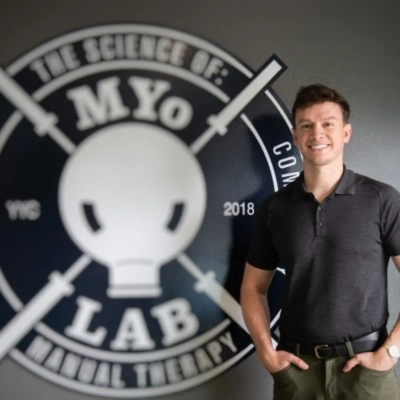
Quiet personalisation behind the scenes
We use technology to personalise the experience without making it feel loud or salesy. The core is our intake and booking system. When someone books online, the system remembers how they prefer to book, what times they choose, and what forms they complete first. The next visit feels shorter and calmer because nothing is repeated. That matters more than people admit. No one wants to retype the same information again and again.
One real example from MYo Lab
If a patient books late in the evening, the system prioritises evening slots when they return. If they usually book from mobile, the layout adjusts automatically. Even our follow-up emails change based on behaviour, not diagnoses or claims. Some people get short reminders. Others get detailed prep steps. This is not magic. It is basic data used with restraint. In healthcare, less noise builds more trust. Tech should remove friction, not add personality where it does not belong.
Unify History and Anticipate Next Service
For a service business like Honeycomb Air, technology is the backbone of creating a personalized and seamless customer experience. For us, "personalized" doesn't mean complicated marketing emails; it means remembering the customer so they never have to repeat themselves. When a client calls or books a service online, our system should instantly recall their entire service history—what kind of unit they have, when we were last there, and what problem was solved. This prevents friction and shows respect for their time.
We use our internal CRM and dispatch software to make sure the technicians and office staff have a unified view of the customer. If a San Antonio customer calls about a buzzing noise, the technician already knows the model number and the common failure points for that specific unit before they even leave the shop. This high level of preparedness makes the service feel personalized because the customer doesn't have to waste time educating us about their own home's history.
The best example of this is how we handle post-service follow-up and scheduling. After a repair, our system tracks the age of the unit and the type of work performed. This allows us to automatically send a personalized reminder suggesting a specific seasonal tune-up—say, a heater check right before winter—that is relevant only to their equipment and local climate. This prediction saves them hassle, makes their home more reliable, and turns a transactional customer relationship into a relationship built on proactive care.