
How to Personalize the Customer Experience: Examples and Strategies
Personalizing the customer experience has become essential for businesses looking to build stronger relationships and drive meaningful engagement. This article breaks down 24 proven strategies and real-world examples, drawing on insights from industry experts who have successfully implemented these approaches. From dynamic discounting to behavioral segmentation, these tactics show how companies can meet customers exactly where they are in their journey.
Deploy Dynamic Surprise and Delight Discounts
We personalize customer experiences through our Dynamic Surprise & Delight Discount program, which delivers real-time, targeted offers based on customer behavior patterns. Our system identifies different segments and provides tailored discounts accordingly - 10% for new customers exploring our products, 15% for at-risk customers who haven't made recent purchases, and 20% for loyal customers considering premium items. This targeted approach has significantly improved both customer satisfaction and retention rates across all segments.

Tailor Messaging to Distinct Customer Groups
Our product—an innovative book that plays videos—has shown strong appeal across distinct customer segments. By identifying groups with shared characteristics, we've tailored our messaging and experiences to fit their specific needs. One segment, for example, includes individuals purchasing the product for deeply personal occasions, such as celebrating a family event. Another segmented customer group consists of business clients purchasing books in bulk for such uses as advertising, sales incentives, or customer-appreciation programs. By aligning our communication and offerings with these segment-specific needs, we've been able to deliver more relevant touch-points and product enhancements. For example, when we listened to our corporate buyers requesting custom designed and produced book covers, we introduced that feature—and in doing so, we not only increased our margin per unit, but also differentiated our product visually, thereby positioning us more strongly in the marketplace. As a result, we've seen deeper brand loyalty, rising re-orders, and more requests for upgrades and tailored features.

Segment Subscribers and Automate Relevant Content
I think the best way to personalize the customer experience is to group your audience based on what actually matters to them like their industry, role, or interests, and then speak directly to those needs. I like using tools such as HubSpot or Mailchimp to segment subscribers and tailor messages automatically. For example, someone in finance might get updates on fintech trends, while someone in real estate gets market reports or case studies.
When every email or piece of content feels made for that person, engagement goes way up. I've seen open and click rates jump just by sending relevant content and adjusting the tone or examples to fit the reader's world. It's a simple change from "one-size-fits-all" marketing to meaningful, personalized communication that builds trust and keeps people coming back.

Shift Call-to-Action Based on User Behavior
My approach to tailoring the customer experience is driven by behavioral segmentation to ensure the website changes in real time based on the users' intentions and to improve conversion. We examine a user's present behavior, including what pages the person viewed and time spent on them, to dynamically anticipate their need and shift the call-to-action (CTA). In a real-life example for a B2B client, we identified two personas for users: "The Researcher," a first-time visitor looking for free content, and the "Decision Maker," someone returning who is ready to purchase. In our example with the researcher, the main CTA dynamically presents an opportunity for the user to "Download Our Free 2024 Digital Trends Report," allowing them to gain value and for the business to capture a lead. Following that engagement, if the researcher visited multiple high-value pages indicating their intent, we would dynamically switch the CTA to a more direct offer for their next engagement: "Schedule a Free 15-Minute Strategy Session." This dynamic type of personalization eliminates the frustration of burdening the ready-to-purchase customer while appropriately nurturing the early-stage lead.

Build Personalized Narratives Through Student Strengths
My methods of personalizing the student experience in education depend upon working with students to identify and grow their competencies and interests - beyond academic measures - to develop a truly personalized narrative for their application. Students are classified by their individual strengths and interests: "The Entrepreneur," "STEM Whiz," and "The Artist," allowing their application to be both captivating and cohesive. For example, we worked with an academically strong student who was very bright, but who simply did not have anything particularly distinctive to her narrative. From our classification, we worked with the student to align her interest in global health equity with a competency in analytical problem-solving. The student was destined to apply to colleges as a biology major, but we helped her build a personalized portfolio aligned with solving a community health problem locally with data. This compassion turned into a very personalized identity of "The Data-Driven Public Health Advocate." Ultimately, this helped to distinguish her application and earn admission to a flagship university.

Match Communication Frequency to Client Maturity
I've found that personalizing our ONBOARDING PROCESS and communication frequency based on client business maturity dramatically improves satisfaction compared to standardized service delivery that ignores operational sophistication differences. Smart agencies recognize that startup clients need fundamentally different support than established businesses with existing marketing infrastructure.
We segment clients into three distinct categories: startups requiring foundational education, growing businesses needing strategic optimization, and established companies seeking specialized expertise. Startup clients receive weekly check-ins with educational resources explaining our tactical decisions, while established clients get monthly strategic reviews focused purely on performance data and competitive analysis. One startup needed 6 detailed touchpoints monthly during their first quarter to build marketing literacy, whereas an established franchise client preferred bi-weekly data reports with minimal hand-holding.
This SEGMENTATION APPROACH works because identical service delivery frustrates both groups - startups feel abandoned without sufficient guidance while experienced clients feel patronized by over-explanation. When communication depth matches client sophistication levels, retention improves because you're respecting actual needs instead of forcing everyone through one-size-fits-all processes that serve nobody well.

Blend Behavioral Data With Human Storytelling
We personalise through intent-driven segmentation across every channel used. Clients appreciate messaging crafted with empathy and measurable understanding. Our team blends behavioural data with human storytelling balance. We avoid oversaturation through controlled content pacing design. Recognition replaces repetition through meaningful alignment. Connection sustains engagement through contextual consistency naturally.
During one rebranding project, we restructured outreach across audience archetypes. Brand advocates received behind-the-scenes development insights promptly. Prospective leads received transformation stories instead of specifications directly. Each message addressed emotional drivers behind interest formation. This nuanced approach deepened brand association authentically. Differentiation emerged through clarity, empathy, and audience trust.

Recommend Products That Match Customer Lifestyles
At Eyda Homes, personalization begins with understanding how people live, not just what they buy. For instance, our urban buyers often prefer minimal, easy-care fabrics, while families lean toward cozy, durable cottons and layered textures. We tailor our communication and recommendations accordingly, from curated lookbooks to personalized bedding bundles that match their lifestyle. One small but powerful touch: when customers share their home photos, we suggest complementary pieces that enhance their aesthetic. It's personalization that feels thoughtful, not transactional, making every interaction feel like it's crafted just for them.

Implement Automation for Eight Distinct Segments
We approach personalization through strategic customer segmentation based on purchase behavior and engagement levels. For our client Travador, we implemented a marketing automation system that created eight distinct customer segments, each receiving tailored communications. Our most engaged customers receive personalized emails with exclusive offers and early access to promotions, while less active customers get minimal generic messaging. This targeted approach ensures each customer receives content relevant to their specific relationship with the brand, improving overall engagement and conversion rates.

Design Touchpoints for Beginner Versus Seasoned Planners
I create a customized experience for customers by outlining the goals, pain points, and preferred means of engagement for each customer segment within a given industry and then designing touchpoints that feel tailored rather than generic. For instance, when working with new wedding planners versus seasoned planners, the challenges and learning needs are completely different. New planners need step-by-step frameworks and guided confidence-building, while seasoned planners need advanced strategies, shortcuts, and insights on business development.
An example of this is when I run online courses. For beginner students, I created a specified onboarding sequence, requiring students to reach specific milestones every week. I gave weekly checks, provided final templates, and guided them through their first client experiences. For advanced planners, I provided strategy labs and case studies from real experiences. Advanced planners were encouraged to reflect, question, and make changes to operations in their business. When I tailored the content, communication style, and support for each groups of students, I saw a marked increase in engagement and value the students received, thoughtful completion rates and student feedback, in which they all said they loved the program most of all because it "was designed for me," creating loyalty and strong potential for referrals down the road.

Create Dashboards Showing Metrics That Matter Most
Building CUSTOMIZED REPORTING DASHBOARDS based on what specific client segments actually need for decision-making has transformed how our customers engage with performance data instead of receiving generic analytics that bury relevant insights under irrelevant metrics. Different business models require completely different performance indicators to evaluate marketing success.
We create tailored reporting frameworks by business type. Service-based businesses receive lead quality metrics showing phone call duration and appointment conversion rates, while e-commerce clients get transaction data with cart abandonment analysis and customer lifetime value tracking. One HVAC client initially received standard SEO reports with keyword rankings but showed minimal engagement. After switching to a dashboard displaying cost-per-lead and customer acquisition costs tied directly to revenue, they increased monthly investment by 60% because they finally understood ROI in business terms that mattered to their operations.
This PERSONALIZATION BREAKTHROUGH happened when I stopped assuming all clients interpret data identically and started asking what specific business decisions they needed our reporting to inform. When analytics directly support the decisions clients face daily, engagement with insights increases dramatically because you're providing actionable intelligence instead of standardized performance summaries.

Align Personal Needs With Environmental Harmony
Our approach to personalization starts with understanding intention. Some customers seek skincare that simplifies, while others desire rituals that nurture. Our team uses these insights to design experiences that reflect both. For instance, minimalists often receive our two-step recommendation while ritual lovers explore full routines that bring moments of calm and connection. Every product, from formulation to packaging, mirrors our belief.
We carefully select ingredients that work in harmony with the skin and the environment. Each creation encourages a mindful approach to beauty, where simplicity and care coexist. By aligning personal needs with environmental harmony, we create meaningful relationships that extend beyond the product itself, allowing skincare to become an act of self-awareness and respect for nature.

Provide Resources for Different Buyer Journey Stages
We personalize the customer experience by providing resources and tools that help franchise buyers at different stages of their journey. Franzy offers guides for first-time buyers, a Franchise Match Finder, and a Research Tool, giving users actionable information to explore opportunities, manage their decisions, and access guidance relevant to their needs.
This ensures buyers get the information and support they need to make informed choices about franchising.

Target Audiences by Lifestyle and Health Priorities
Personalization at Best Direct Primary Care starts by appreciating the fact that no two patients take care of healthcare in a similar manner. We target our audience on lifestyle, age, and health priorities and not just on demographics. Indicatively, younger members tend to prefer faster virtual visits and mobile scheduling whereas the older patients attach importance to continuity and access to the phone. Each group is communicated in the manner preferred by the group, and they are text notified with busy professionals, print health summary with the elderly, and digital wellness plan with the families of chronic conditions. The engagement trends are tracked on our care platform, and we can change the frequency and tone of outreach depending on the reaction of patients. This degree of individualization creates trust and enhances compliance since customers feel that they are not generalized. We have discovered that personalization of learning and access is more efficient than merely changing the message. When a lab feedback is given to a diabetic patient, and a nutrition plan based on their budget and culture is presented, chances of the patient remaining engaged are significantly high. That philosophy makes our model of care human and employs technology to get to people where they are.

Address Each Client's Core Structural Vulnerability
Personalizing the customer experience requires immediately diagnosing the client's core structural vulnerability and tailoring the interaction to address that specific anxiety. The conflict is the trade-off: abstract, generalized service creates a massive structural failure in communication; targeted service guarantees relevance. My approach is the Structural Priority Customization framework.
We segment our audience into two: Residential Homeowners and Commercial Property Managers. Our customization is evident in the first page of the proposal (the structural anchor). For the Homeowner, we prioritize visual certainty, leading with high-contrast drone photos of their current damage and immediately presenting the warranty as the central defense against future structural risk. For the Commercial Manager, we strip away the photos entirely and lead with a verifiable Heavy Duty Cost of Downtime Analysis and a guaranteed project timeline, proving our operational efficiency. We trade aesthetic appeal for verifiable financial data.
This ensures that every client, regardless of segment, is immediately anchored to the structural value that matters most to them. The homeowner is secured by emotional trust; the manager is secured by financial certainty. The best way to personalize the experience is to be a person who is committed to a simple, hands-on solution that prioritizes aligning the structural communication with the client's primary financial or emotional concern.

Shape Experiences Around Natural Behavior Patterns
Personalizing an experience starts to feel natural when you think about it the way we handle regulars at Equipoise Coffee. People walk in with different rhythms, different needs, and different comfort levels. You learn to read those cues without forcing anything. I approach audience segments the same way. Instead of building a dozen complicated funnels, I pay attention to behavior patterns that show what someone values. Some folks move fast and want direct answers. Others linger, explore, and respond to a slower, more detailed tone. I shape the experience around those signals. If someone clicks through product guides or educational posts, I give them content that feels like a long conversation at the bar while the barista pulls their shot. If someone consistently interacts with quick updates or concise promos, I keep their touchpoints short and clean the way we serve drip to-go.
The key is avoiding heavy labels. Segments shift as people move through their own season of life or business. I watch for changes the same way we watch how a new crop's flavor changes as the roast ages. When someone's behavior shifts, their customer path shifts with it. That flexibility keeps the experience grounded and human. It lets people feel seen without feeling sorted, which is the same balance we try to keep at Equipoise Coffee every day.

Customize Portals by Client Industry Requirements
The individualization of A-S Medication Solutions is initiated by the conceptualization that each of the categories of clients: clinics, hospitals, long-term care centers, and correctional facilities have different operational problems. We are aiming to predict those needs using data and conversations, and model interactions in a way that are specific, as opposed to generic. Indicatively, healthcare clinics tend to give more importance to fast onboarding and medication adherence, whereas hospitals are concerned with regulatory compliance and high volume fulfillment. In order to solve this, we tailored our client portal experience. A faster dashboard is now visible in clinics featuring refill tracking and patient adherence measures and the hospitals receive more powerful reporting functionalities related to 340 B compliance and audit readiness. The basis of that segmentation was client responses and analytics of various user behaviors by industry. After the implementation, there was an improvement in both the satisfaction scores and client retention. In addition to digital tools, we also customize the speed of communication- where we can present case-specific facilities account managers so that each client is provided with an appropriate guide. This individualization is reflected in our wider vision: to make healthcare delivery simple by treating each partner as an individual. The efficiency increases, the trust is built, and A-S Medication Solutions turns out to be not a vendor but part of their success at work when the clients feel understood and supported in accordance to their respective workflow.

Eliminate Friction in Areas That Matter Most
In the process of personalizing the customer experience at MacPherson Medical supply, the first step will be to realize that a hospital procurement officer, a home health nurse and a small clinic manager can all order the same things but with totally different motives. We do not create such complex audience profiles, but rather observe the indicators of what each group is interested in the most at the time. The common characteristics of the procurement teams are their concern about consistency and documentation, and home health professionals desire their products to be portable and enduring. One of the areas that clinics have placed emphasis is storage, rotation and maintenance of workflow during peak hours. As soon as we comprehend the points of pressure we are creating the experience around the speed of their day and not the inner framework of ourselves.
Our experience with home health teams is a good illustration where nurses had a problem with heavy packaging when visiting patients. Their orders appeared the same way as clinic orders, however, they could not afford the cumbersome boxes and slow unwrapping. To start with, we started to automatically flag these accounts and dispose of them in small, easy-opening containers with ready-made packs. We combined that with shipment reminders which we scheduled based on when they most likely were to restock based on their previous behavior. Nothing glam, merely a minor modweet that did not attempt to interfere with the way their work actually happens. The change resulted in the reduction of the support calls, speed of the replenishment cycles, and feedback that became noticeably warmer. Customization was not achieved through increased choice. It was based on elimination of friction in the most important areas.

Build Segmentation Models off Interaction Patterns
Personalization that works takes place with behavioral segmentation, not demographic generalizations. One of the key implementations we've done is dynamic journey orchestration intensity that correlates with intent signals-real-time signals that would signify where a customer was in their decision cycle. For example, in a campaign for a prestige skincare brand, we built a segmentation model not off of age/gender, but off of individual users' patterns of interaction with content: educational seekers, comparison shoppers, loyalists following a purchase.
Each segment was given a differentiated experience on the site. Educational seekers saw science-backed explainer videos and Q&As with a dermatologist. Comparison shoppers saw user reviews prioritized by side-by-side product comparisons. Loyalists saw a limited drop and personalized usage tips off of prior behavior patterns.
The results were: 38% improvement in the conversion rate along with 22% improvement in repeat purchase behavior. Personalization works best when it happens off of customer context, not coding. If your segmentation is not fluid and behavior based, you are temporally decorating a static funnel.

Design Customized Lessons for Individual Learning Journeys
We personalize the customer experience by tailoring our approach to each family's goals, learning style, and level of support needed. For example, some students are aiming to boost standardized test scores, while others need help building confidence in daily coursework. One specific example is how we create customized lesson plans for students preparing for advanced math and science courses. Tutors review past performance, assess areas of strength and weakness, and then design sessions that focus on the skills that will make the biggest impact.
This approach allows families to feel that their child's learning journey is unique and that the support is meaningful rather than one-size-fits-all. We also follow up with detailed lesson notes after each session, highlighting progress, areas to work on, and next steps. This ongoing personalization not only improves outcomes but helps parents see the tangible difference our tutoring makes, which builds trust and long-term engagement.

Analyze Lifestyle Patterns and Working Demands
Segment-based Intake
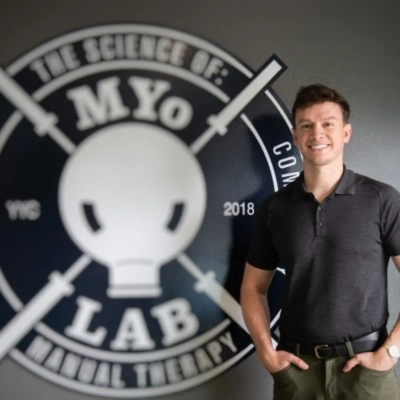
In MYo Lab, I specialize in tailoring each segment's processing to how they progress throughout their day and how their body responds to basic everyday activities. I analyze lifestyle patterns, working demands, and resting behaviors. This focuses on the functionality rather than any medical claims. This also helps identify the little things that make someone tick and how they respond to care. This method is one that I enjoy the most, as it acknowledges the intricacies of their lives without making unfeasible promises.
Examples From Active Professionals
One of the segments I focus on is the active working professional, especially those with long shifts spent sitting or standing. Instead of providing a guideline SOP, I have given them a setup based on adjustable micro-breaks for movement, strategic pacing, and low-effort muscle-contractile activities that they can stack throughout the day. Some like to receive instructions early in the morning, before the start of their busy day. Others like in-person short mini-sessions in the clinic after long work hours, as it allows them to re-energize. This fine segmentation makes the experience more organized and structured, reducing its intensity and stress.
Vary Communication Levels Based on Sophistication
A most straightforward method for individualizing the customer experience involves varying communication levels based on their sophistication. Not all audience sub-segments require communication at the same level, with the same urgency, or with the same passion, which is why its necessary to vary levels based on their needs to individualize their overall experience.
For instance, we provided two different communication channels for new, first-time customers compared to highly knowledgeable regular customers. New customers have language-based explanation, visual, and step-by-step updates to inform them at all times, while regular customers have faster updates containing tech information with an option to bypass basics.
It took only one change to simplify things for new customers while pleasing advanced users with better efficiency, not babysitting. By its nature, customization need not be difficult. It's simply necessary to understand differences in what each market segment values.

Segment Audiences by Motivations Rather Than Demographics
At Timeless London, personalizing the customer experience starts with truly understanding why each customer chooses us, some love us for our vintage-inspired designs, while others come for our sustainability values. We segment our audience based on these motivations rather than just demographics. This allows us to tailor everything, from product recommendations to messaging tone, to what emotionally resonates with them.
For example, we created two distinct email journeys: one for customers who frequently shop our occasionwear collection and another for those drawn to our recycled fabric line. The first focuses on styling inspiration and event-ready looks, while the latter highlights our eco-conscious processes and timeless wardrobe staples. This approach not only boosted engagement rates but also deepened our connection with each segment, making customers feel genuinely understood rather than marketed to.
Focus on System Lifecycle Stage Needs
We personalize the customer experience by focusing on where they are in the lifecycle of their HVAC system, not just who they are demographically. For a company like Honeycomb Air, our audience segments itself based on need: are they a homeowner with a brand-new system, someone with a 15-year-old unit hanging on for dear life, or a seasonal maintenance plan holder? Personalization means delivering the right message at the right time to meet their specific need for comfort and reliability in San Antonio.
We make sure our communication reflects that. For example, a customer whose AC unit is pushing fifteen years old gets proactive service reminders that highlight reliability and cost efficiency, not just standard maintenance. The conversation is framed around the risk of emergency failure and the long-term savings of upgrading. On the flip side, a customer with a brand new, high-efficiency system gets content focused on maximizing their investment through preventative care and smart thermostat usage.
Our specific example is how we handle the Maintenance Plan holders—they are our most loyal segment. Instead of treating them like just another appointment, we assign a dedicated technician to their account whenever possible. This means the tech who shows up for their annual service knows the history of their system, knows the quirks of their home, and can address past concerns without having to ask. It saves the customer time, builds personal trust, and turns a routine service call into a genuine relationship.