
Top 15 Tips for Social Media Marketing Beginners
Breaking into social media marketing can feel overwhelming, but experts in the field agree that beginners who focus on strategy over scattered activity see results faster. These 15 actionable tips come directly from professionals who have built successful campaigns and learned what works through real-world experience. Whether setting goals or choosing the right platform, these insights will help beginners avoid common mistakes and start building an effective social media presence.
Set Goals Choose Two Networks
We grew our pet rescue community from nothing to real adoption wins on Instagram, Facebook and X. Our top tip to anyone starting out in social media is to skip the hype and lock in goals and audience first. Who are they? Pet parents or indie dog fans? Where do they scroll? Instagram reels or Twitter threads? Don't spray posts everywhere. Consistency grows and unified inbox ends tab hell. Pick two platforms max. Post steady, three times a week. That beats daily chaos every time.
Set realistic targets, work out a editorial calendar, see what inspiration you can draw from others in your niche without emulating them blatantly. Try for incremental goals like 20 percent more comments in 90 days or 500 followers who care about your niche. Schedule your content as per recommended peak times, optimize profiles.
Curate content That Sticks, 80/20 rule more often than not works. Tips and UGC content, fan shoutouts, contests are easy wins and crush algorithms. You can also devise nmenonics that your community could start looking up to gradually eg. Monday: Quick tips. Wednesday: Emotional stories. Saturday: Polls. "Foster or adopt first?"
Spark Real Connections by replying to every comment and building conversation as this builds trust and community thrives on it.

Adapt Messages To Each Venue
New marketers should prioritize understanding context across platforms where the same message performs differently. Audiences arrive with different expectations so ideas must be adapted to each environment. Instead of copying formats, observe how people consume content on every platform. Some platforms reward depth while others reward speed which changes how messages land there.
Your approach should align with these patterns rather than forcing one style everywhere online. Avoid automation early because manual posting keeps you close to real audience behavior signals. This hands-on phase helps you learn nuance through direct feedback from users consistently. Social media success depends not only on words but also on place and timing.

Prioritize Community And Clear Value
The best advice for anyone stepping into the social media arena is to prioritize community building over mere follower counts. In 2026, the digital landscape is saturated with AI-generated noise, making genuine human connection your most valuable asset. What's more, starting small by mastering just one or two platforms where your specific audience actually hangs out is far more effective than spreading yourself thin across every available channel. Focus first on defining a clear value proposition that answers why someone should stop scrolling to listen to you.
Alternatively, here's what you need to know about starting your strategy: consistency and "zero-click" value are the keys to gaining initial traction. Instead of always trying to drive traffic away from a platform, create content that provides a complete insight or solution right in the feed. In addition to this, lean into short-form video and authentic, behind-the-scenes storytelling to humanize your presence. By showing the real people and processes behind a brand, you build the kind of trust that eventually turns casual viewers into a loyal, long-term community.

Lead With Hooks That Address Pain
My best advice for anyone starting in social media marketing is to stop obsessing over platform algorithms and start obsessing over human tension.
The reality is that while the algorithm controls distribution, the 'hook' controls attention.
You can have the most genuinely valuable content in the world, but if the first three seconds don't stop the scroll, your content effectively doesn't exist. The market only grants you authority once you've proven you understand their specific pain.
This is why beginners should study human frustration rather than marketing trends. To do this effectively, spend your time in the comment sections of your competitors. Find what people are complaining about or what they feel is 'missing.'
Your content shouldn't just be 'good', it should be the answer to those specific grievances.

Define Story And Desired Actions
Start by defining a clear brand story and the action you want people to take with each post. Early on, I made the mistake of posting just to stay active, and learned that a focused message outperforms high volume. Build a simple content plan around that story and call to action before you worry about how often you post.

Clarify Your Role Prove Business Impact
My best advice, before you even create your first post, is to radically define and defend your role. Social Media Marketing is a dangerously broad title that leads to burnout and ineffective work. Here's your focus:
First, ruthlessly clarify your primary function. Are you the Strategist (setting goals, analytics, paid ads), the Creator (on-camera talent, photographer), the Community Manager (engagement, customer service), or the Writer/Planner (content calendar, copy)? These are distinct skillsets. In a small team, you may wear multiple hats, but you must know which hat is primary and which are secondary and so on.
Second, become the metrics translator. Your first advocacy tool is linking your core activity directly to business outcomes. If you're the strategist, your focus is not "posts," but "how did our Q3 awareness campaign impact website traffic and lead form completions?" If you're the community manager, it's "how did response rate and sentiment impact customer retention?" This frames you as a business driver, not just a "poster."
Third, set professional boundaries from day one. Politely but firmly push back when asked to perform tasks outside your primary role that would dilute your core impact. The classic example: a strategist being forced to spend hours on graphic design, which is neither their strength nor the best use of time.
By anchoring yourself in a defined function and business results, you build credibility and protect your capacity to do impactful work. Advocate for your role's integrity as fiercely as you advocate for the brand.

Commit To A Single Outlet Learn Fast
One mistake we see people make when starting out with social media marketing is trying to be everywhere at once. They open accounts on every platform, post inconsistently, and end up overwhelmed without learning what actually works.
The first thing to focus on is choosing one platform where your audience already spends time and committing to it. For example, when we start with new clients, we often pause all other channels and focus on just one, like LinkedIn or Instagram, for the first 30 days.
During that time, we pay attention to what content gets saves, comments, or questions, not just likes. That early feedback tells us what people care about and what problems they want help with.
This works because focus creates clarity. When you remove the pressure to do everything at once, you learn faster, build confidence, and create content that actually connects instead of just filling a calendar.

Decide On One Outcome And Channel
I'd start by choosing one clear outcome and one channel. Not "grow my brand", but something you can count, like "20 email sign-ups a month" or "10 quote requests a month" from Instagram or LinkedIn. If you're vague here, you'll chase views instead of results.
Then I'd pick the platform based on where buyers already are, not where you feel most comfy. If you sell to other businesses, that's often LinkedIn. If you sell to locals, it's usually Facebook or Instagram. Learn how people behave on that one platform before you add anything else.
Next, I'd map 3-4 content themes based on real questions and worries buyers have. For a local tradie, that could be: price and quotes, how long jobs take, before-and-afters, and common mistakes to avoid. For a small SaaS tool, it might be: the problem it fixes, short how-tos, customer stories, and reasons people hesitate to buy. This stops you from posting random stuff that doesn't move people closer to contacting you.
In the first few months, I'd treat social like a networking event, not a billboard. Reply to every comment, start DMs with people who engage, and join relevant conversations on other accounts. The early wins usually come from 1:1 chats, not viral posts.
For metrics, I'd ignore vanity numbers like total followers and focus on: profile visits, link clicks, replies/DMs, and how many posts lead to actual enquiries or sign-ups. If those are going up, your social media marketing is working, even if your follower count grows slowly.

Show Real Humanity To Win Loyalty
The best advice for someone starting out with social media marketing is to stop trying to compete with perfection and start showing up as a real human. Social media is already crowded with people and brands trying to convince you that their lives, businesses, or success are flawless and came easily. Most audiences see right through that...and smaller businesses can't (and shouldn't) try to outspend or outproduce big-budget brands anyway.
Instead, focus on being genuine and relatable. Let your personality show. Share both the wins and the struggles. Talk about what you're learning, what's working, and what didn't. That honesty builds trust far faster than polished ads or overly curated content.
Large companies have the budgets for constant ads, complex campaigns, and every format under the sun: polls, carousels, video teams, and paid amplification. But most people scrolling social media don't live in that world. They're looking for content that feels familiar, approachable, and useful. That's where smaller businesses have the advantage.
Focus first on consistency, clarity, and connection. Make people laugh, make them think, or make them feel understood...in fact, just make them feel. Show how you can help without overwhelming them or their budget. If your content feels human, humble, and helpful, you'll make a lasting impression long before you ever need a massive marketing spend.

Ask For Reviews Strengthen Relationships
The biggest mistake beginners make involves POSTING CONSTANTLY ABOUT THEIR BUSINESS instead of focusing on customer relationships that generate positive reviews and referrals. From an auto repair shop posted daily but as a business owner, she failed to "ask" her customers for reviews and referrals she so desperately wanted. What we could do this to make it better, businesses would prompt happy customers for their feedback as reviews on Google or Facebook: That way, social engagement is suddenly transformed into effective reputation management. There were 67 more reviews of one salon after it prompted feedback through Instagram comments over four months.
It's all about customer service on social media, not marketing. Thanking satisfied customers publicly can help potential clients feel more comfortable, since a business profile is usually reviewed before services are sought. Instead concentrate on developing relationships and your reputation - not followers or engagement.

Be Your Case Study Secure Certifications
I believe the first thing you should do is focus on your personal brand and try to become your own first success story. In other words, it is hard for anyone to trust you if you don't apply to yourself what you preach.
The next thing I would recommend is obtaining certifications. When I talk about this, I am not referring to courses that you pass just by clicking "next," but to those that require you to pass an exam with a supervisor or at an authorized location. In short, tests that are verified and endorsed by someone. Depending on your interests, there are certifications from the platforms and tools themselves. This will not only open doors in the job market, but also as a freelancer.
If you have your own success case and certifications, you should be able to access job opportunities or freelance work.
If, for whatever reason, this is not the case, I would consider some type of official education. This could be a master's degree (if you already have a university degree) or vocational training (two-year programs in the US), which often also have accelerated one-year versions. I recommend this because, in many cases, companies set having an official qualification as a minimum requirement for hiring.
Finally, these recommendations are not mutually exclusive—you can work on them in parallel. That is, first focus on creating your own success story so you can experiment and take risks that you couldn't take with a client. At the same time, you can earn some certifications. And depending on the results you achieve, you can then consider pursuing official education.

Select Your Specialty And Target Client
It has never been more important to understand what kind of marketeer you want to be before you focus on a topic.
Pick between a expertise within fast moving, b2b, b2c, b2b2c, viral, video, etc.
Optimising for these take experience, learning from a book is not enough, if you want to learn what works you should get direct exposure to it, however, you need so much exposure in this expertise driven world that you cannot be an expert in all of them.
Understand what kind of client you want to have (a b2b, or b2c), figure out what the message is they need to get across on a channel, and then start creating that content.

Invest In Ads And Niche Influencers
It is good to remember that Social Media marketing is essentially divided into running ads and working with influencers. Anything else, like posting on your page or making stories, is secondary and should be automated as soon as possible. When you have created your content calendar and have enough time to focus on the former two, you're gonna wanna get a really good designer to create visuals for the service or product you're selling. Then test those visuals in ads and see which ones convert the best. Keep the ones that have the highest Return On Ad Spent (ROAS). Since you're most likely gonna be doing this on Meta, make sure to check what kind of ads your competitors run as well - you can do this by going to their page -> About -> Page Transparency -> See all.
For influencers, budget is essential. But given that you are just starting out, it will be easier to do this following: DM smaller account (also known as micro influencers) and offer to send them free product in exchange for a picture or story. The percentage of success will depend on how targetted the influencer is to your brand. To find out, check which influencers post/comment on your competitor's posts. Then visit their profile and see who they interact with. This is your initial target pool. Any post created through influencers should be reposted on your page to increase perceived authority.
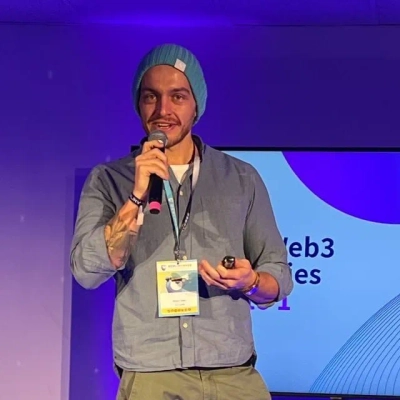
Craft Voice And Foster Audience Affinity
Brands: Develop a clear and consistent voice. Explore that voice beyond traditional train tracks that a brand historically follows. Consumers don't care about a carousel of product shots. They want to feel something. Value can come in many shapes and forms (entertainment, education, etc.) Put your brand at the center of that value.
Creators: Be yourself. Creating something that isn't you will result in burn out and a drop off in consistency. The biggest mistake I see during early growth is pricing yourself at an absurdly high CPM. You should be solely focused on deepening your relationship with your audience and building trust. Taking on brand deals too early can ruin that.

Share A Practical Lesson With Reasons
Start with one clear lesson that you've learned early on. Ideally, try to focus on one lesson that is derived from experience rather than theory. Keep your language simple and jargon-free so that your advice is accessible to readers, particularly to those who are trying to learn.
Then think in terms of one or two real priorities that matter at the start, such as knowing the audience or being consistent. Try to explain the reasons why these priorities matter and how a user might start applying these right away. The idea is to keep the advice concrete, doable, and realistic, but avoid being too theoretical and unrealistic.