
ChatGPT and Gemini Recommend Different Software in a Third of Categories
Marketer MagazineAugust 12, 2026
GetIntel's AI Software Index 2026 analyzed 9,978 ChatGPT and Gemini answers across 126 software categories. The two disagree on #1 in one of three.
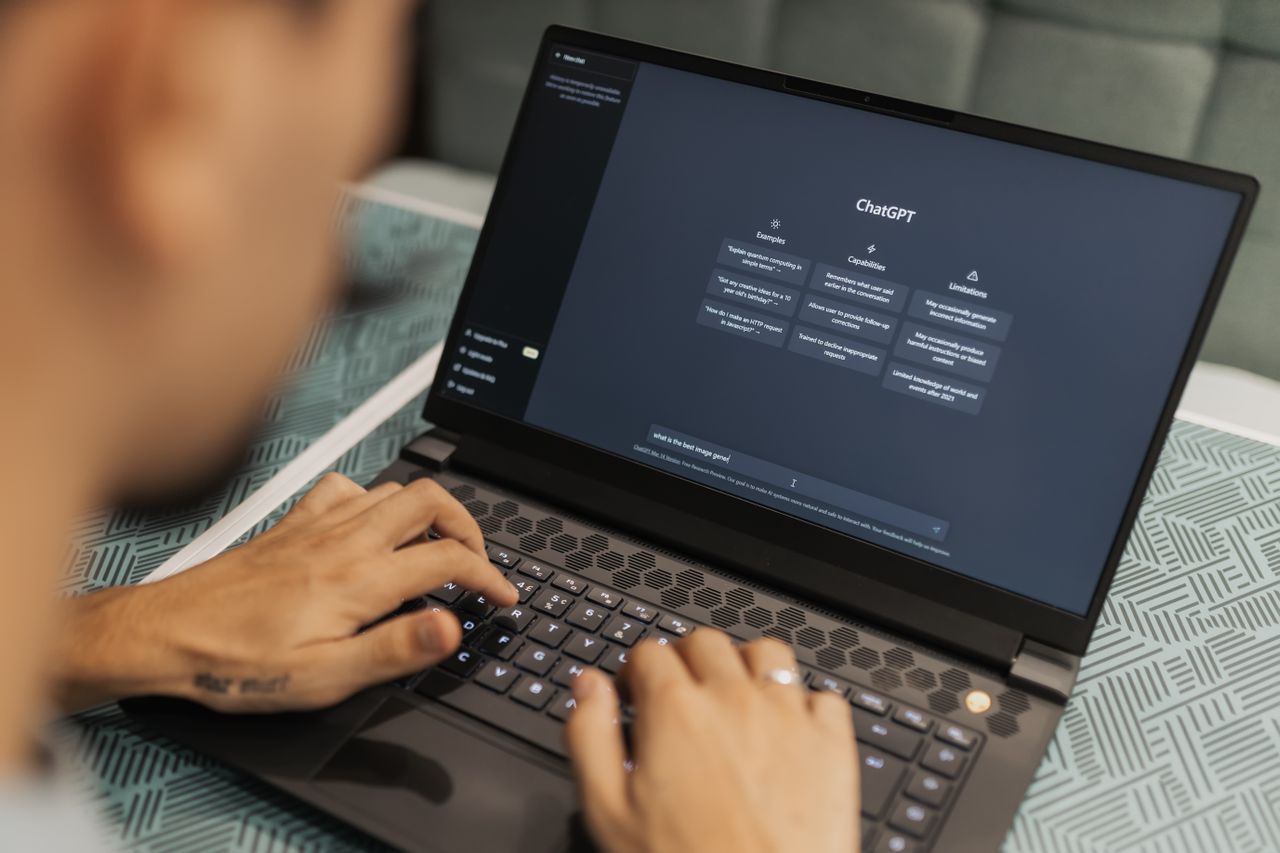
ChatGPT and Gemini recommend a different #1 product in one of every three software categories, according to The AI Software Index 2026 from GetIntel. The study analyzed 9,978 answers across 126 categories and 1,825 brands, and found that G2, Capterra and TrustRadius together drew only 5% of citations.
Two buyers ask the same question on the same day. One opens ChatGPT, one opens Gemini. In a third of software categories, they are told to buy different products.
That is the central finding of The AI Software Index 2026, published August 11 by GetIntel, an AI visibility tool that measures whether AI assistants recommend a brand. GetIntel collected 9,978 usable answers — 5,023 from ChatGPT and 4,955 from Gemini — on August 6, running roughly 80 buyer-phrased prompts in each of 126 software categories covering 1,825 brands.
The prompts were the kind buyers actually type: "What's the best CRM for a small business?" or "I'm a freelancer and need invoicing software." GetIntel put them to the live ChatGPT and Gemini consumer apps rather than the developer APIs, on the reasoning that buyers see the interface, not the API.
"Every one of these 126 categories already has an answer," said Tarang Agarwal, founder of GetIntel. "AI is recommending someone right now. In a third of them, it is recommending a different company depending on which assistant the buyer happened to open. Most of the brands in this data have never checked whether they are the name that gets said out loud."
How often do ChatGPT and Gemini disagree?
In one of every three categories measured, ChatGPT and Gemini named a different top pick — defined by GetIntel as the first brand recommended in an answer.
The instability is not only between assistants. The #1 recommendation also flipped between US- and UK-phrased versions of the same question in about half of the categories the study could measure. And rephrasing changed the answer: in some categories one brand won every run, while in others, asking the same question in different words returned a different "best" tool almost every time.
That variance is itself the useful signal. A category where the answer holds across every phrasing is a category to defend. A category where it moves on every rewording is one that is still open.
Which sources do AI assistants actually cite?
The most-cited source across the study was TechRadar, with 1,114 citations. Reddit followed with 807 and Zapier with 418. G2's content subdomain, learn.g2.com, drew 342, and Gartner drew 238.
Taken together, the three major software review sites — G2, Capterra and TrustRadius — accounted for 5% of all citations recorded. For any marketing team whose AI-visibility plan is essentially a review-site budget, that is the number worth sitting with.
The two assistants also source differently. When ChatGPT recommends a product, it cites that product's own website 53% of the time. Gemini does so 13% of the time, leaning on third-party pages instead. GetIntel reports that Gemini's most-cited "independent" sources are frequently blog posts written by other software companies, often about categories those companies have nothing to do with.
Does saying "I'm a freelancer" change the recommendation?
It does, and by more than most brands would guess. In some categories, a brand moved from winning 34% of answers to 90% depending on whether the buyer said "I'm a freelancer" or "we're an enterprise."
The Index does not explain the mechanism. What it does establish is that a single "best X" ranking is the wrong unit of measurement. The same brand can be dominant for one buyer description and close to invisible for another, inside the same assistant, on the same day.
Which brands show up, and which actually win?
Appearing in AI answers and being recommended first are different achievements. HubSpot appeared on more category leaderboards than any other brand, 19, and won three of them. Salesforce appeared on 13 and won none. QuickBooks appeared on seven and won five.
Other categories are effectively locked. GitHub was the first recommendation in 91% of CI/CD software answers and 72% of code review answers. Shopify took 84% of e-commerce platform answers, Miro 83% of whiteboard software answers, Square 78% of point-of-sale answers, and Loom 76% of screen recording answers.
What should marketers do with this?
"The uncomfortable part is not that brands are losing inside AI answers," said Agarwal. "It is that almost nobody knows their own number. A company can tell you its Google ranking to the decimal and have no idea whether ChatGPT has ever named it."
Four practical reads come out of the data:
Measure per assistant, not in aggregate. A blended "AI visibility" score hides the exact thing the Index found — that ChatGPT and Gemini frequently disagree, and for different reasons.
Test the phrasings buyers use, not the phrasing you use. Buyer identity, locale and simple rewording each moved the top pick. A generic "best [category]" prompt is one data point out of eighty.
Audit the pages being cited in your category before spending. If review sites supply 5% of citations, a review-site strategy is a 5% strategy.
Find out whether the category is locked or contested. At 91% first-recommendation share, displacing GitHub in CI/CD is a different project from competing in a category that reshuffles on every rewrite.
The catch, worth saying plainly: none of this is a one-time audit. The same properties that make these answers movable make them movable again next quarter.
How much weight should the study carry?
Two things are worth naming. GetIntel sells AI visibility software, and the Index is its own research — the methodology says so — and the finding that brands do not know their number is also the sales argument for the product. That does not make the numbers wrong. It is the frame to read them in.
The data is also a single-day snapshot, collected August 6, 2026, from live consumer apps that vary by session, account and personalization in ways an API run does not. GetIntel says it will refresh the Index quarterly, which is when the more interesting question: whether any of these rankings actually move, becomes answerable.
The full AI Software Index 2026, including a page for each of the 126 categories measured, is available at https://getintel.ai/ai-software-index/.