
Make the Right Event Marketing Bet: Sponsor, Exhibit, or Host for Real Impact
Marketer MagazineSeptember 29, 2026
Event marketing can create real business impact—or waste valuable budget. Experts in the field share how to choose between sponsoring, exhibiting, and hosting based on buyer intent and relationship stage. Learn how to turn event engagement into meaningful conversations, qualified leads, and clear next steps.







Rick Elmore · Vaibhav Kakkar · Jason Hennessey · Faizan Khan · Aaron Whittaker · RHILLANE Ayoub · Marc Bishop · Eric Turney · Brandon George · Jimi Gibson · Timothy Clarke · Vlad Ivanov · Loren Gundersen · Emma Sansom · Christopher Coussons · Marcel Perkins · Anna Maksymenko · Bill Brink · Fahad Khan · Iman Bahrani · Mr Charles Liu · Brittany Weber · Viktor Michel-Häggström · Antranik Gouzelian · Ileeana Johnson
Measure Replies, Not Good Vibes
Rick ElmoreCEO · Simply Noted
Sponsoring an event only pays off if you can point to a repeatable signal afterward, not a vague "good vibes" recap. What works for us: we track one number per event format, follow up conversion within 14 days for booths, referral mentions within 30 days for sponsored talks. If a format doesn't produce a trackable signal twice in a row, we cut it, no matter how fun the event was.
The other half is the follow up itself. Most exhibitors send a generic email blast after the show and wonder why nobody replies. We send handwritten notes to the people who actually stopped at our booth, referencing something specific from the conversation. Open rate on that channel sits at 99% because it doesn't look or feel like marketing, it feels like someone remembered you. That's the repeatable signal we optimize for: did the follow up get a reply, not just an open.
Events are expensive experiments, treat the follow up as the actual product.
Match Formats to Relationship Stages
Vaibhav KakkarFounder and Group CEO · Digital Web Solutions
We decide by matching the format to the stage of the relationship. Sponsoring is best when people need to recognize and trust a name before they are ready to engage. Exhibiting works when people are already exploring options and welcome direct conversations. Hosting creates the most value when honest discussion and shared context matter.
This approach also improves our budget discipline by keeping choices focused. We compare each format by what people do after the event instead of reach alone. We prefer smaller settings that encourage memorable conversations over larger spaces with brief impressions. The strongest event presence gives people the right information meaningful access and enough time to build trust naturally.
Prioritize Decision Density Over Reach
Most event teams measure reach, when they should measure decision density. A room of 200 people can outperform an arena of 20,000 if attendees share a live business constraint and enough authority to act on it. That distinction determines format. Sponsor when association changes perception, exhibit when prospects need side-by-side evaluation, and host when peers need a private setting to compare difficult choices.
The signal I repeat is specificity before the event. When invitees describe an exact problem, demand is concentrated, not curious. Then a hosted roundtable beats logo placement. It turns market research into conversation and exposes language, objections, and priorities for follow-up.
Concentrate on High-Intent Accounts
Faizan KhanPR and Content Marketing Specialist · Ubuy Indonesia
In 9 years leading event growth strategy, the choice between sponsoring, exhibiting, or hosting is based on the Intent-to-Audience Scale. Funnel stage is matched against objective: sponsoring for top-of-funnel brand reach, exhibiting for mid-funnel demo volume, and hosting micro-events for bottom-of-funnel enterprise conversion.
The one signal that drove our recent strategy switch to hosting was Pipeline Density in High-Intent Accounts. When we learned through market data that 60% of the highest priority prospects were attending one industry conference, we opted out of spending $50k on an exhibition booth. Instead, we hosted a private off-site executive dinner just around the corner. Through hosting, we gained face-to-face meetings with decision-makers without having to fight for attention in a crowded environment.
In 5 months of executing this strategy of hosting, we lowered our cost-per-qualified-lead by 41%, increased our opportunity win rate by 32%, and achieved an ROI 84% higher than that of a typical booth exhibition.
Favor Productive Discussions Over Crowds
Aaron WhittakerVP of Demand Generation & Marketing · Thrive Internet Marketing Agency
I consider not only the number of attendees but also the number of PRODUCTIVE DISCUSSIONS our team can have at an event. Only a small portion of the thousands of attendees at a large conference might be suitable for us. Smaller events occasionally allow us more time to speak with the appropriate people and learn about their needs.
For this reason, we selected a smaller industry event, and throughout the day, our team spoke with the same decision-makers multiple times. These conversations resulted in follow-up meetings, introductions to other businesses, and prospects who were already familiar with our offerings. Spending more time with the right people is more valuable than gathering hundreds of contacts, so I would employ this strategy once more.
Control Follow-Up With Owned Gatherings
My rule for choosing between sponsoring, exhibiting, or hosting our own event comes down to one thing: who owns the follow up. Sponsoring a big industry event gets you a logo and maybe a speaking slot, but you rarely walk away with real contact information for the people who mattered in the room. Exhibiting is better because you at least collect badges at your booth, though you're still competing with dozens of other booths for a few minutes of attention.
Hosting our own event, even a small dinner or a half day session for a narrow list of prospects, has consistently given us the best return, because we control the guest list and the agenda, and we own every piece of contact data that comes out of it. The signal that guided this for us was noticing how many warm conversations from sponsored events went cold within a week, since we had no reason to follow up beyond a generic thank you note, compared to a small hosted dinner where every guest left with a specific next step tied to something discussed at the table.
The tradeoff is scale. A hosted event caps out at maybe twenty or thirty people you can talk to properly, while sponsoring a large conference puts your name in front of thousands. If the goal is broad visibility, sponsor. If the goal is closing specific accounts, host something small and control every part of it yourself.
Exhibit for Implementation Questions
Marc BishopDirector · Wytlabs
Exhibiting should be a response to active demand, not a default event habit. A booth gives teams a practical way to test market language, hear objections in real time, and identify where discovery is breaking down. It is less effective when attendance is mostly educational or exploratory.
I look for one signal, whether participants arrive with implementation questions rather than broad curiosity. At an event where attendees repeatedly asked about measurement, ownership, and internal approval, exhibiting delivered unusually strong results. Those questions revealed that buyers had already accepted the underlying problem and were deciding how to act. The team captured clearer next steps because conversations could be structured around readiness. The lesson worth repeating is simple. Choose an exhibit when the audience's questions show that evaluation has already begun.
Seek Quote-Ready Product Conversations
Eric TurneyPresident / Sales and Marketing Director · The Monterey Company
For us the choice usually comes down to how specific the audience is to what we make. If an event draws groups or organizations that regularly need custom pins, patches, or coins, like a niche association conference, exhibiting makes more sense because we can talk through actual product options face to face. If the crowd is broader, sponsoring a smaller piece of the event for visibility costs less and still puts our name in front of the right people without a full exhibit commitment.
The rule that has guided us is asking whether we could walk away from the event with real conversations that lead to a quote request, not just names on a list. An event that produces a handful of specific product conversations is worth repeating even if attendance was small, while a high traffic event with generic interest usually is not worth the cost again.
Plan Next-Step Value Before Commitment

Brandon GeorgeDirector of Demand Generation & Content · Thrive Internet Marketing Agency
I consider what our team will actually do with the opportunity in the 30 DAYS FOLLOWING THE EVENT before deciding whether to sponsor, exhibit, or host. A booth can generate a large contact list, but if most people don't want to speak with us again, that list will be of little use. When we can create a useful experience around a particular issue that our audience already cares about, hosting is the best option. Sponsorship, on the other hand, works better for visibility and relationship building.
At a previous event, we offered brief marketing reviews based on what each person discussed with us, rather than just sending a simple "great meeting you" email. We responded with a few suggestions tailored to the issue if someone brought up poor local search results or squandered ad money.
Following the event, this resulted in additional follow-up meetings, more thorough marketing evaluations, and fresh business discussions. Additionally, it provided us with an improved method for gauging the event's success. Instead of counting the number of contacts we made, we concentrated on the number of conversations that actually went on.
Buy Targeted Access, Not Logo Impressions
Jimi GibsonVP of Brand Communication · Thrive Internet Marketing Agency
My choice is based on WHAT WE GENUINELY REQUIRE from the event. When access and credibility are the primary objectives, I sponsor, particularly if the package includes a speaking opportunity, a private dinner, or introductions to individuals we are interested in getting to know. I prefer to host when we already have a strong network and want complete control over the guest list, conversation, and follow-up, but I also show up when our team needs time to explain a service or address particular issues in person.
Once, we opted for a smaller sponsorship package that included a targeted roundtable with about a dozen business leaders instead of a larger one with prominent branding. Several in-depth discussions about actual marketing challenges, follow-up strategy calls, and a cordial introduction to another business that subsequently joined our sales pipeline resulted from that room. Since then, I've looked at event packages almost like media purchases: I want to know exactly what access we are buying because an hour with 12 relevant people can be more valuable than a logo seen by thousands.
Build a Pre-Show Pipeline

Timothy ClarkeSenior Reputation Manager · Thrive Local
I decide whether to sponsor, exhibit, or host based on HOW MUCH CONTROL we want to have over the conversations we want to start. Sponsorship makes sense when the right buyers are present; we display our work when people need to see or discuss what we offer; and I decide to host when we have enough connections to bring the right group together independently. Before anyone boards a plane for an event that promises 5,000 attendees, I'm more worried about whether we can find 20 people we really want to meet.
Requiring a "PRE-EVENT PIPELINE" prior to committing to a larger exhibit was a rule that worked well for us. To fill at least eight meaningful meeting slots before the event opened, we listed target accounts, assigned each to a team member, and began outreach several weeks in advance. We left with planned follow-ups, proposal discussions, and introductions to other decision-makers, transforming the booth from a place where we waited for traffic into a gathering place for conversations already underway. Since the event began generating value even before the doors opened, I would use that strategy again.
Secure Attendee Data for AI Outreach

I always check who controls the data. At a recent summit, we skipped the big sponsorship because they wouldn't share the attendee list. We hosted our own small workshop instead. Getting that list ourselves made our follow-up way more effective. Seriously, if you plan to use AI for lead follow-up, only do events where you get the guest data. It makes all the difference.
Own Custom Displays for Conversion

With three decades guiding exhibits for brands like Samsung and Google at Art & Display, I base the choice on how established the client already is and how many similar domestic shows they run each year.
If the brand needs quick visibility among buyers already comparing options, I steer them toward exhibiting with a modular rental so they can test layouts without commitment.
When a company is past that stage and hits three or more shows annually in comparable spaces, I push for owning a custom exhibit; that shift turned one client's annual presence into repeated leads they could track and nurture long after each event.
The signal I still follow is whether their goals center on face-to-face conversion or just borrowed awareness--if conversion leads the list, owning the booth has delivered the repeat results every time.
Demonstrate Campaigns Live

Emma SansomManaging Director · Flamingo Marketing Strategies
I've always wondered if a trade show truly aligns with your brand. For example, one trade show we attended, we felt it was better to forgo sponsorship and instead had a booth. It was easier to show off our campaigns LIVE and it really sparked more interesting conversations with people.
When you need to showcase your product AND also communicate with potential clients, I think a booth is the way to go.
Lead With Proprietary Research Sessions

Christopher CoussonsDirector · Visionary Marketing
For event marketing we decide sponsor, exhibit or host by whether we can leave with named conversations we can answer inside a working day, not by logo size on a shared banner. The repeatable signal is simple: if the format cannot put a first-party figure or a clear offer in front of people who will book a follow-up, we decline the broad sponsor pass and either exhibit with a booked demo slot or host a smaller session we control.
A past choice that worked was hosting a short research webinar around a study drop instead of buying a general conference sponsorship. Registration was smaller than the big-room fantasy. Live attendees produced pipeline at a rate the logo wall never matched. In Webinar Marketing Statistics 2026 at https://visionary-marketing.co.uk/blog/webinar-marketing-statistics-2026 we analysed 412 B2B webinars and found live attendees converted to pipeline at about 4 times the rate of replay viewers, with registration-to-attendance around 38.4 percent. Own a room with a number people can use. Renting space on someone else's stage is usually just brand wallpaper.
Show Itineraries Via Interactive Demos
Marcel PerkinsManaging Director · Latin Trails
I decide whether to sponsor, exhibit, or host events based on one thing: can we actually show people what we do? At those smaller travel expos, we set up our itinerary right in the booth and walked agents through it step by step. We signed up three new agencies that way. If people want to see exactly how our trips work, then yes, we'll do the interactive booth again.
Create a Newsworthy Reason to Attend

Anna MaksymenkoFounder & Marketing Director · Maxima Agency
I start with one question: does the attention already exist somewhere, or do we need to build the stage ourselves?
If the right audience is already gathering at an established event, I sponsor or exhibit. You're buying access to attention that's already there, so the real work is bringing something worth stopping for. Sponsorship makes sense when the brand can genuinely add to the experience. Exhibiting makes sense when you need face-to-face conversations with buyers or partners.
Hosting your own experience is a different bet, and my rule is simple: host only when you own the headline.
I learned this working on Hollywood studio film premieres. The film itself was the news, so owning the event let us control the guest list, talent access and the media narrative from the red carpet on. Journalists came because they couldn't get that story anywhere else.
Large international events like Eurovision were the opposite case. The event owned the attention, so brands were better off integrating into it rather than competing with it.
The rule I keep coming back to: if you can't explain in one sentence why a journalist or guest would come to your event specifically, sponsor or exhibit instead.
Capture Trial Leads at Tea Ceremonies
Bill BrinkMarketing Director · Serene Tree Apothecary
My sponsorship rule at Serene Tree is simple: I need the attendee list, a place for people to try our product, and some content to capture. We recently hosted a tea ceremony at a wellness conference, and people signed up for a trial right there. That gave us our best leads. The follow-up is so much easier when you already know who's interested and they've tried the product.
Deepen Relationships Through Intimate Breakfasts
Fahad KhanDigital Marketing Manager · Ubuy Qatar
The thing I actually look at is how much control I need over the conversation itself. Sponsoring or exhibiting means you're borrowing someone else's crowd, you show up, sure, but you're fighting for attention the whole time. Hosting your own thing, fewer people walk through the door, but every conversation happens on your terms. One single rule I follow is if it's just about getting our name out there, sponsor or exhibit. If I actually want to close something or deepen a relationship that's already started, I'll host something small myself instead. One that worked, and I would do again is skip a big expo booth one year, run a small breakfast for existing customers and a few warm leads instead. Cost way less than the booth would've. Real deals came out of it within a couple months, something that the expo booth never gave us despite all the foot traffic walking by it. What I have gathered from this is a bigger crowd doesn't automatically mean a better result. Ten of the right people in a room usually beats a hundred strangers wandering past a booth.
Win Elusive Executives Through Visibility

Iman BahraniDirector · Searchical
When it comes to sponsoring versus exhibiting, it's all about what you're trying to achieve. I learned this the hard way at a major summit where we sponsored the main stage and slipped whitepapers into every swag bag. Those leads? Enterprise decision makers who wouldn't be caught dead at a booth. For complex services, sometimes visibility beats conversation every time. If I'm going after executives, sponsorship wins, hands down.
Calibrate Tactics to Buyer Readiness

Mr Charles LiuMarketing Director · Cubic Promote
Hi,
I'm Charles Liu, founder and Marketing Director of Cubic Promote, wholesale supplier of branded merch and uniforms. For us, the decision depends first on how closely the event audience matches what we offer. If we are targeting a specific market, such as hospitality or the gaming industry, exhibiting usually makes the most sense because we get warm leads and start conversations that could later convert into orders.
Sponsorship serves a different purpose. If the event involves charities, government organisations or a not-for-profit cause we want to support, we are more likely to sponsor. In those cases, visibility matters, but so does supporting something worthwhile. Hosting is more direct for us. We sometimes arrange scheduled showroom visits where clients can see products in person, compare options and discuss their requirements. The goal there is much closer to conversion and locking in an order. So the rule I use is simple: exhibit for relevant leads, host when the audience is already closer to buying, and sponsor when visibility and supporting the cause are the main objectives.
Charles Liu
Founder and Marketing Director
Cubic Promote
Invest Where Engagement Arises Naturally

Brittany WeberMarketing Manager · Wightman Telecom
When planning event marketing, I look first at the role we want to play in the experience. Sponsorship can make sense when the primary goal is visibility and community support, exhibiting works better when we want direct conversations with potential customers, and hosting gives us the most control when education or a deeper brand experience is the priority.
One rule I use is to look beyond expected attendance and ask how naturally the event creates meaningful interaction with the audience we want to reach. Especially for a community-focused brand, the best opportunity is not always the event with the largest crowd. An event where people have a genuine reason to engage with us can create much more lasting value. That is the kind of signal I would use again when deciding where to invest event marketing resources.
Let Inbound Interest Trigger Sponsorship

Viktor Michel-HäggströmHead of International Marketing · Haizol
I watch our inbox. When a bunch of requests come in from somewhere new, that's my signal to sponsor, not host. A big automotive expo proved this works. By sponsoring, we reached the exact buyers we needed without the headache of running the whole thing. Now that flood of interest is my green light. It means we're about to have real conversations with people who are ready to buy.
Separate Discovery From Deal Closure

Antranik GouzelianMarketing Manager · GT Amusement
I run marketing for GT Amusement, a dealer in used amusement rides, so our buyers are park operators and family entertainment centres, not consumers. We have tried all three: exhibiting at the big industry expos, sponsoring, and hosting our own site visits.
The rule that stuck is simple: exhibit where buyers go to compare, host where buyers go to decide. A stand at an industry expo is where a park operator meets us for the first time and sees we are real. But the deal for a used ride is never closed on a stand. It is closed when the buyer stands in front of the ride, opens the panels and asks questions for two hours. So instead of a second expo, we started inviting serious buyers to our yard in the Hamriyah Free Zone for a day of inspection with our engineers. Those visits convert at roughly one in two, against about one in fifteen leads from an expo stand. Sponsoring produced logo exposure and no buyers, so we stopped.
The signal that decides it for us now: if a prospect asks a technical question in the first email, we invite them to visit. If they ask for a brochure, they get the brochure and we see them at the next expo.
Pursue Three-Sided Value
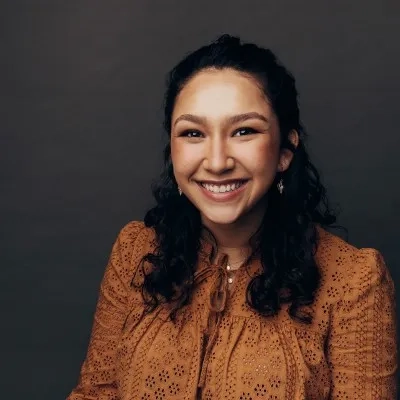
Ileeana JohnsonSenior Marketing Specialist · G7 Entertainment Marketing
When it comes to live events, authenticity is everything. Some questions that guide strategy for me are: what does the audience need from this event, and what role can we uniquely play to give that to them?
If an event has the right audience, right atmosphere, and strong cultural capital where the brand has a real tie-in, a sponsorship play can have a lot of value. If your brand is looking for deeper interactions or product education, an exhibit may be a better fit. And if there's not an event out there that can deliver the kind of experience or visibility you're looking for, a fully-owned experience (while a more significant investment) allows the flexibility and creativity to build something truly unique.
A strong signal at Wild by G7, which focuses on destination-scale live events, are the strategies that create value on all three sides: brand, audience, and event itself. The brand gains relevance, trial, participation, content, hospitality value, or a stronger consumer connection. The audience gets an experience that feels richer, more useful, or more connected to the place/event. And the event itself gains funding, capability, programming, promotion, or reach.
For me, that win-win-win scenario is the clearest signal that you've found the right event strategy. That's the kind of model I'd look to repeat.